Accelerate your growth

Uniformity leadership to maximise leafy green productivity.

bloemteknik impact

What is it?

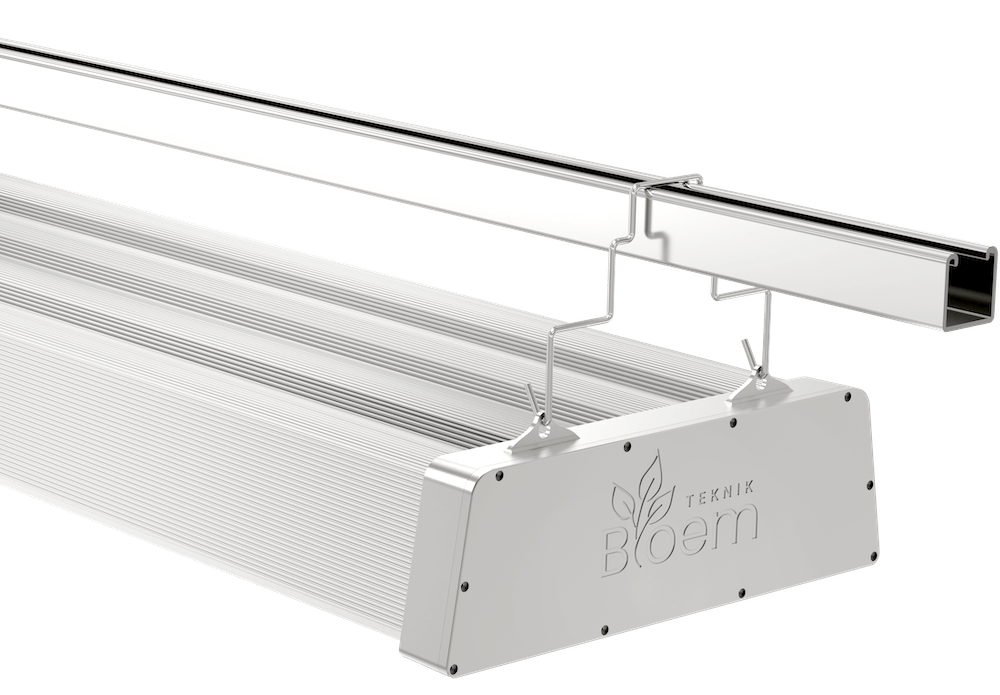
High-performance, dynamic lighting platform designed to produce vibrant, uniform, and high-quality leafy greens year-round.

How does it work?

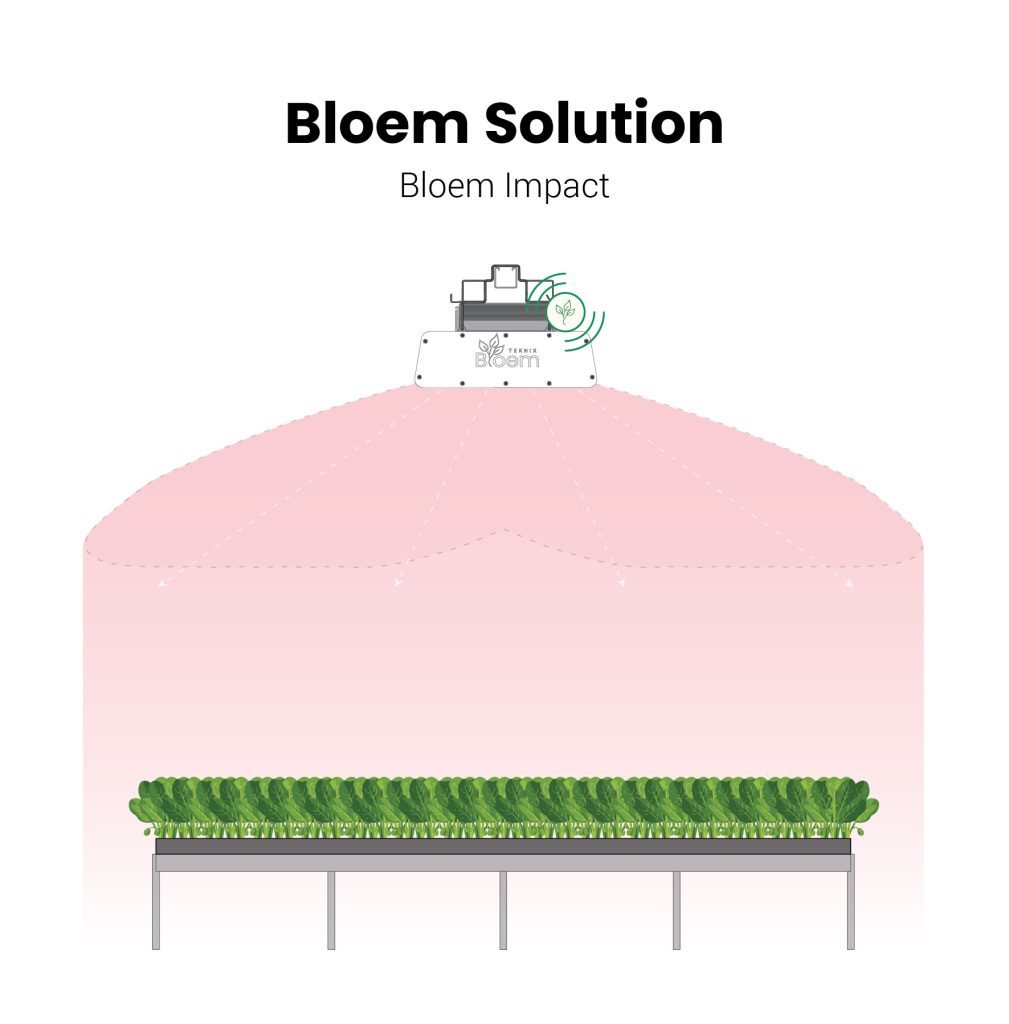
Engineered to be application adaptable, improve uniformity and maximise PAR light-use efficiency within your facility.

led light beam

Baseline PPF output (µmol/s)

led light beam

Up to 2x PPF output (µmol/s) vs 1 kW HPS

What does this mean for my leafy greens?

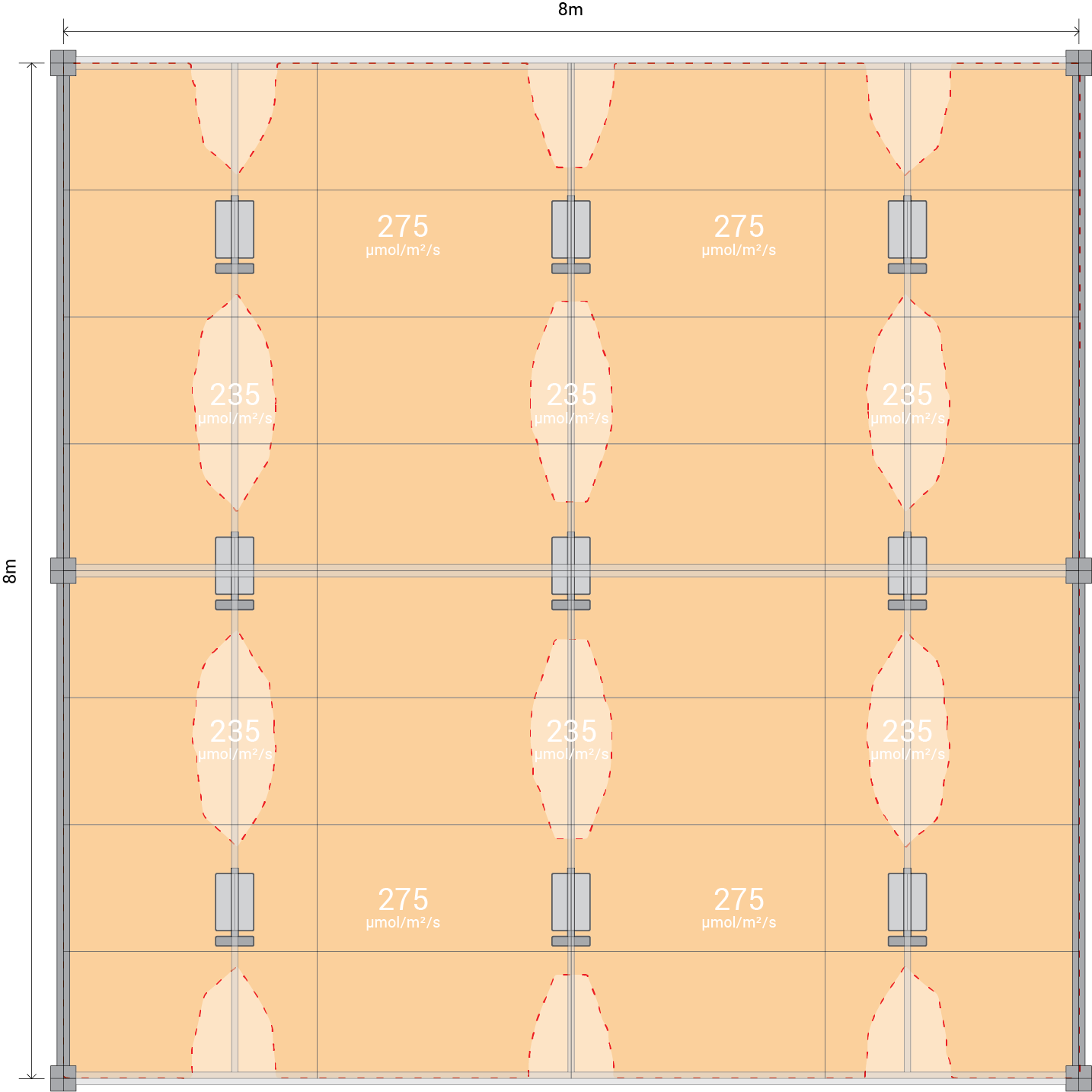
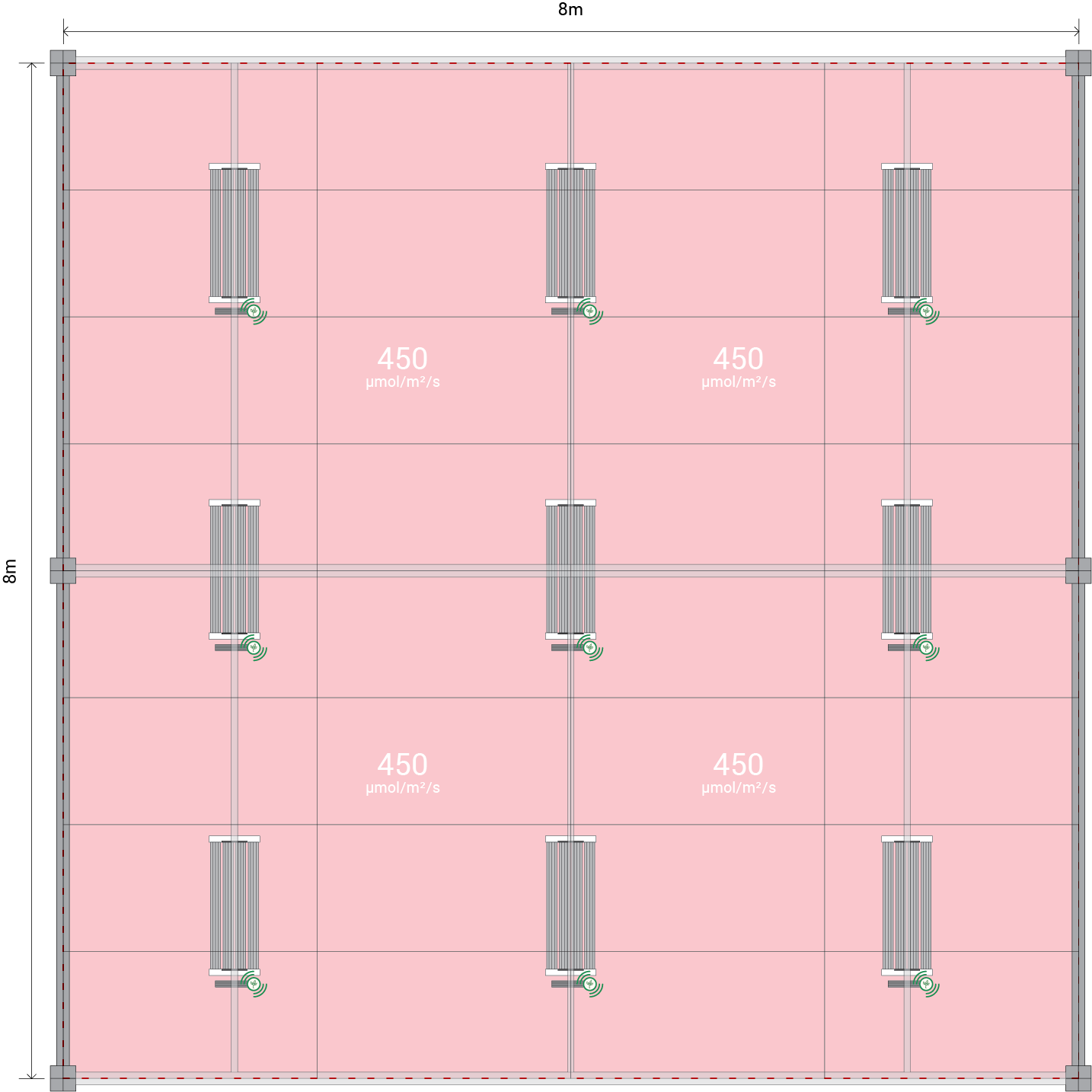
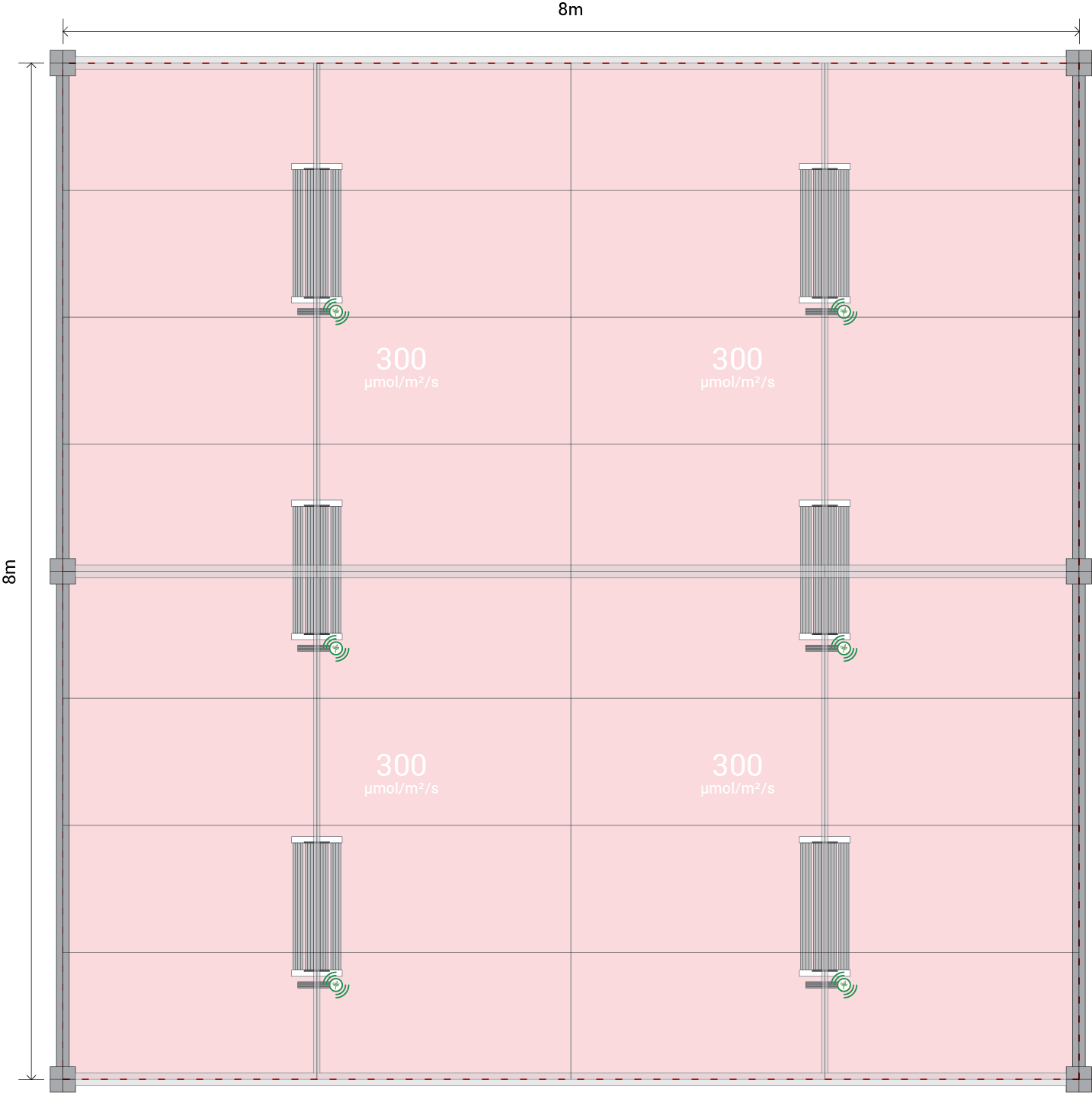
Growers & academics agree that as a rule of thumb, a 1% increment in PPFD results in a 1% increase in yield of leafy greens¹. Improving the uniformity over the growing areas reduces supplementary PAR light deviation, benefitting plant quality and production consistency.

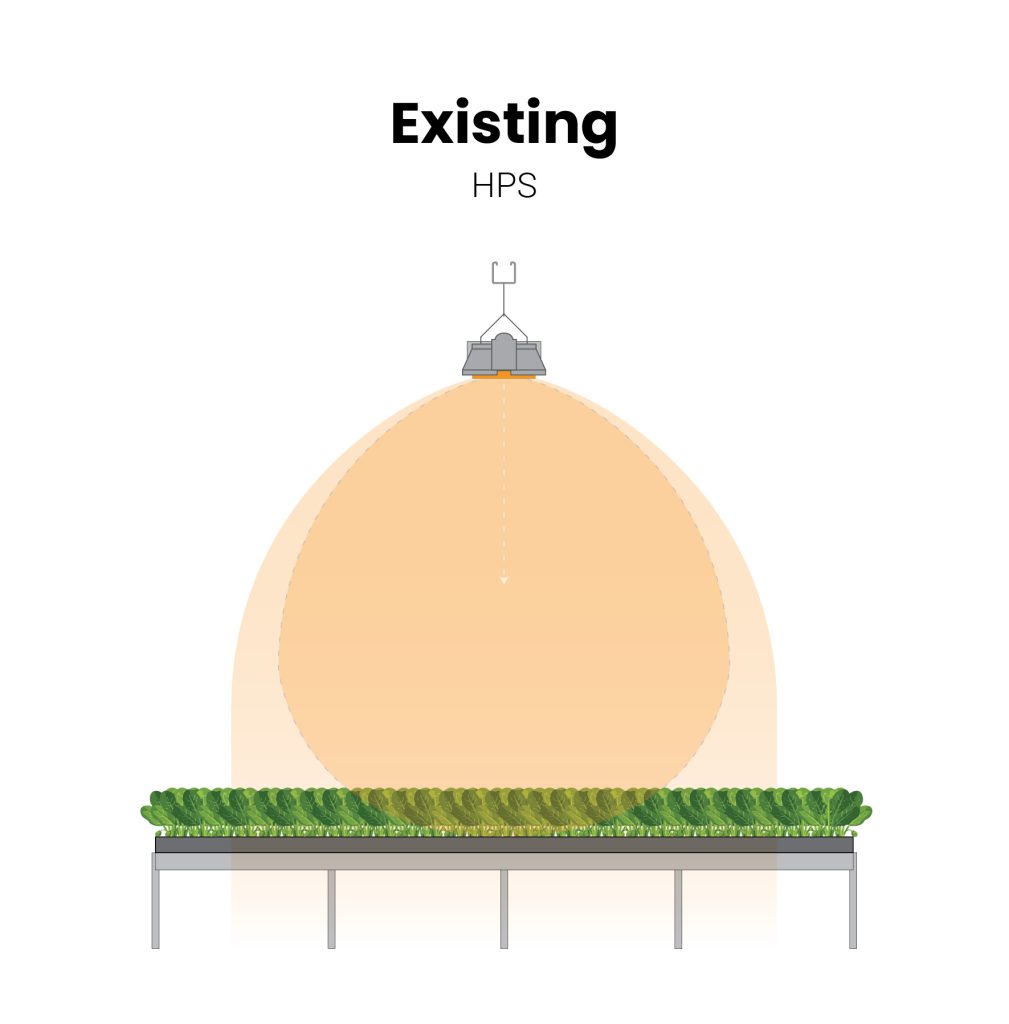
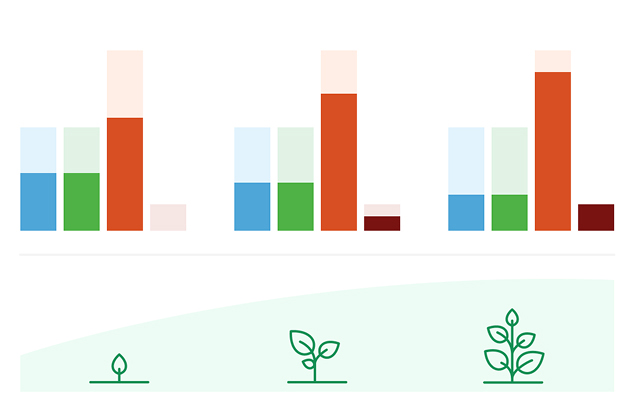
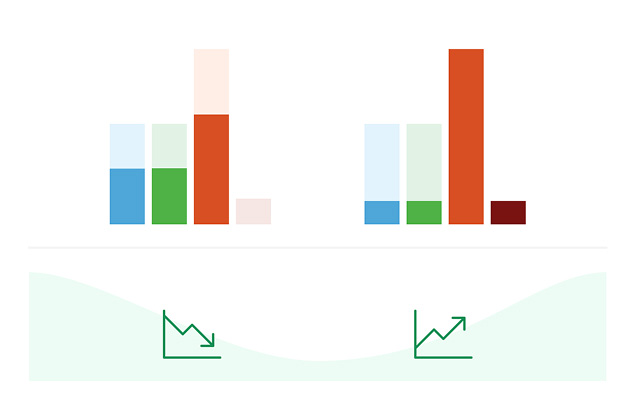
Existing

Conventional 1 kW HPS Toplight

Retrofit >PPFD

Bloem 1 kW Impact (Spectrum B7)

Optimised <Energy

Bloem 1 kW Impact (Spectrum B7)

Charlie Benson

Charlie Benson
Co-Founder and CTO
“Intensity uniformity is the consistency of total PAR light distributed over the growing area. This is typically measured at the crop canopy by the volume (%) of the grow area that falls within the specified tolerance of the PPFD setpoint.”

Using Bloem’s Wand Platform

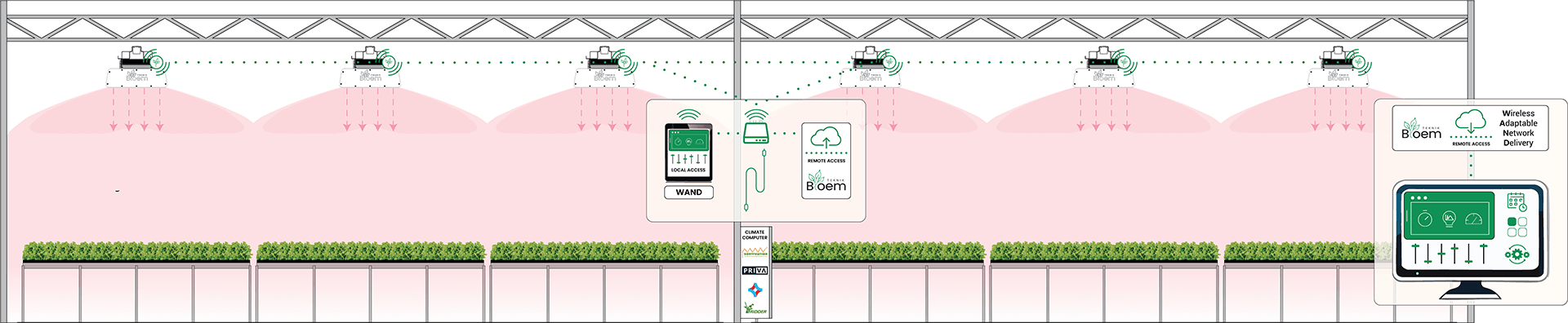
The Bloemteknik Wireless Adaptive Network Delivery (Wand) platform provides advanced dynamic control for single and multi-channel grow lights.

Secure reliable scalable

Secure, Reliable & Scalable

Our highly secure mesh solution, with no single point of failure, supports over 30,000+ devices per network

Flexible Lighting

Flexible Lighting

Easily create zones, groups, light recipes, dimming schedules, DLI targets, and lighting scenes using our wireless control system with our LED grow lights

Closed loop system

Closed-Loop System

Wand acclimates LED grow light output to prevent negative effects from weather or environmental changes

Plant Centric Adaptability

Plant-Centric Adaptability

Designed to follow plant biology, Wand can adjust LED light output to support multiple dynamic lighting controls

Seamless Integration

Seamless Integration

Wand can be used as a standalone lighting control system or integrated with climate control systems via the Horticulture Lighting Protocol (HLP)

Optimised Performance

Preventive Maintenance

Wand continuously monitors power supply temperature, power draw, operating hours, and system responsiveness to detect potential issues before they impact performance. This proactive approach minimises unexpected downtime and maximises the lifespan of the entire lighting system.
Dynamic Lighting

Whether the grow areas require precise, plant-centric dynamic control or a straightforward daily schedule, Bloem’s Wand platform offers a flexible and tailored solution designed to meet the unique needs of your facility

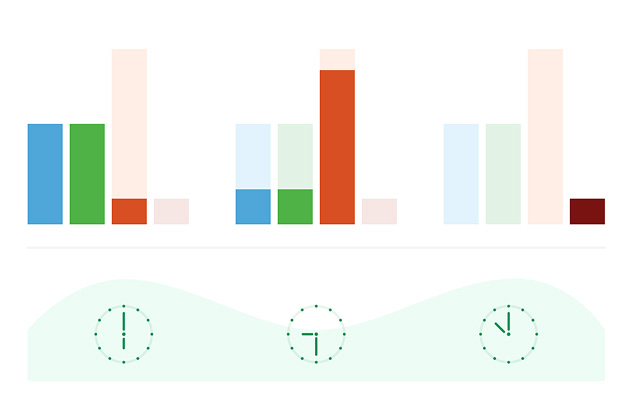
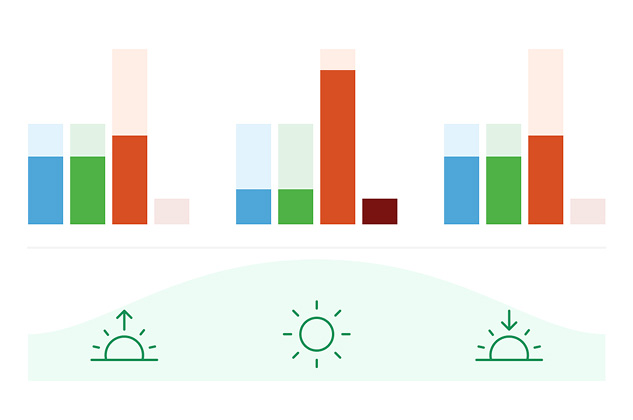
Development Phase Shifting

Dynamic light adjustment for optimised plant growth stages

Energy Cost Fluctation
Energy Cost Fluctuation

Efficient energy distribution to balance cost and performance

Circadian Rhythm Steering

Light modulation aligned with natural plant cycles

Artificial Daylength Extension

Extended illumination periods for enhanced productivity

Blue Light
400 - 500 nm

Blue light is necessary to ensure healthy development of chloroplasts

Increases compactness, biomass, leaf thickness and protein synthesis in leafy greens

Regulates plant leaf expansion and shoot elongation

Green Light
500 - 600 nm

Green wavelengths stimulate photosynthesis below the primary canopy leaf layers

Increases leaf area in seedlings, rooting and early growth

Improved human visual quality for detecting pests, pathogens, and nutrient deficiencies

Red Light
600 - 700 nm

Increases leaf area, length, stretch and height

Promotes biomass accumulation, plant growth, and photosynthesis

Increases chlorophyll and carbohydrate accumulation

Far Red Light
700 - 800 nm

High R/FR ratios can increase the photosynthetic rate and promote plant growth

High R/FR increases leaf area, length, stretch, height and overall plant biomass

Low R/FR ratios can reduce plant pigmentation and compactness

Crop Type

Seedlings (New)

Seedlings (Mature)

Swiss Chard

Rocket

Spinach

Kale

Thyme

Dill

Lettuce

Mint

Chives

Oregano

Coriander

Bok Choy

Parsley

Rosemary

Sage

Basil

Crop Stage

Propagation

Propagation

Vegetative Growth

Vegetative Growth

Vegetative Growth

Vegetative Growth

Vegetative Growth

Vegetative Growth

Vegetative Growth

Vegetative Growth

Vegetative Growth

Vegetative Growth

Vegetative Growth

Vegetative Growth

Vegetative Growth

Vegetative Growth

Vegetative Growth

Vegetative Growth

DLI (mol/m²/day)

4-6

6-16

12-18

12-22

12-20

12-20

10-22

10-22

12-24

12-24

12-22

14-24

14-24

8-16

8-20

8-20

8-20

15-30

PPFD (µmol/m²/s)

100-200

200-350

275-325

250-350

300-350

325-375

200-400

225-400

250-400

250-400

300-400

325-425

325-425

350-425

300-450

300-450

300-450

300-500

Photoperiod (Hours)

6-8

10-14

12-16

14-18

12-16

10-14

12-16

12-16

14-18

8-12

12-16

12-16

12-16

6-10

8-12

8-12

8-12

14-18

The quantity of photosynthetic active radiation (400 – 700nm) required is defined by the Daily Light Integral (DLI). DLI refers to the quantity of PAR the plant is exposed to within a single day (24-hour period). Each plant, including leafy greens, have a minimum and maximum DLI to facilitate growth and this varies by development stage and plant variety.

Typically, vegetative growth for leafy greens has a recommended DLI range of 12-20 mol/m²/day. The desired photosynthetic active radiation density (PPFD) can be calculated from the DLI target and exposure duration (photoperiod).

For example, using a photoperiod of 16 hours provides the following formulae:

12 mol/m²/day / 16 hours / 60 minutes / 60 seconds = 208 µmol/m²/s minimum PPFD
20 mol/m²/day / 16 hours / 60 minutes / 60 seconds = 347 µmol/m²/s maximum PPFD

Increasing the photoperiod decreases the PPFD requirement to achieve a similar DLI (mol/m²/day) and the reverse can be said for decreasing the photoperiod and increasing the PPFD.

indoor farm
“Typically, vegetative growth for leafy greens has a recommended DLI range of 12-20 mol/m²/day.”

Get the Full Story

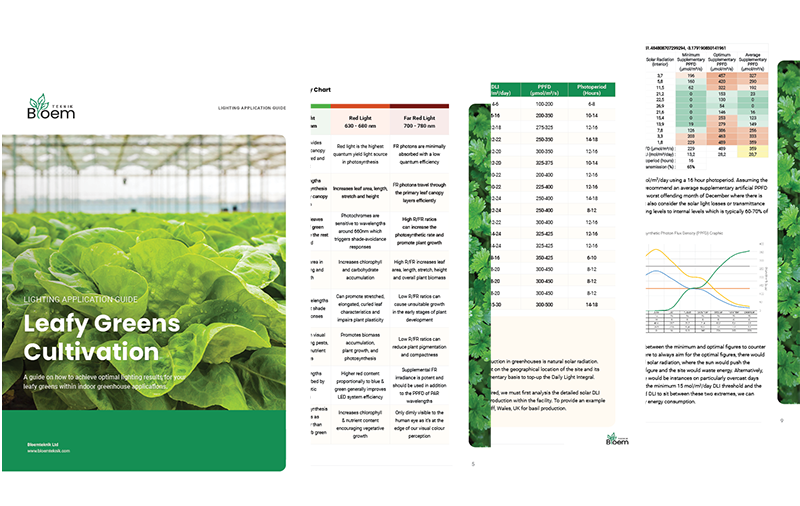
To see the complete list of light wavelength effects on leafy greens, PPFD & photoperiods for more leafy green crop species and much more please download our leafy greens cultivation lighting application guide.

led cultivation guides
greenhouse hps lighting
HPS Retrofits

Bloem's Funding Options

Bloem’s Pay As You Grow is designed to help growers simplify the options when considering whether to retrofit their HPS fixtures.

Breaking Boundaries

Straight answers to the questions we hear most often from cannabis growers

Latest News

Bloemteknik's GreenFingers™ platform gets more funding support to revolutionise greenhouse lighting controls.
Bloem’s new toplighting platform drives significant yield increases in high-wire crops.
GET in touch

Get a Free Consultation and Business Case Calculation