Power in Predictability
Uniformity leadership to enhance cannabis yield & consistency.
What is it?
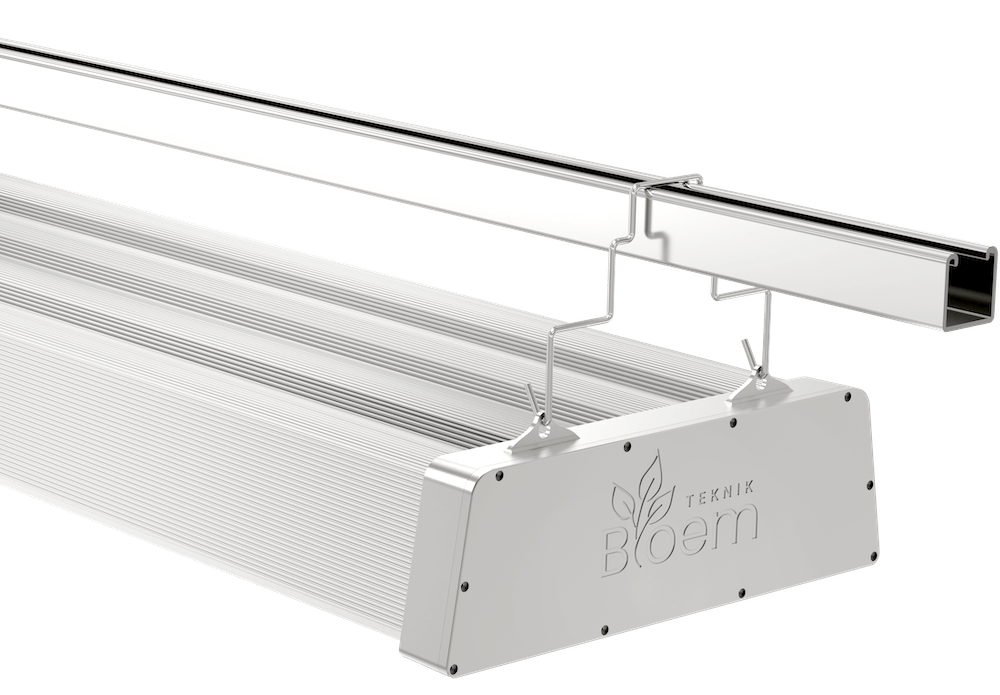
A high-performance, dynamic lighting platform designed to optimise the vegetative and flowering stages of light-demanding plants.
- Higher crop yields
- Improved light penetration
- Increased energy savings
- Reduced fixture quantities
- Up to 3500 µmol/s
- 5 year warranty
- Durable housing
- IP65
- Designed for GMP facilities
- Dynamic dimming
How does it work?
Engineered to be application adaptable, improve uniformity and maximise PAR light-use efficiency within your facility.
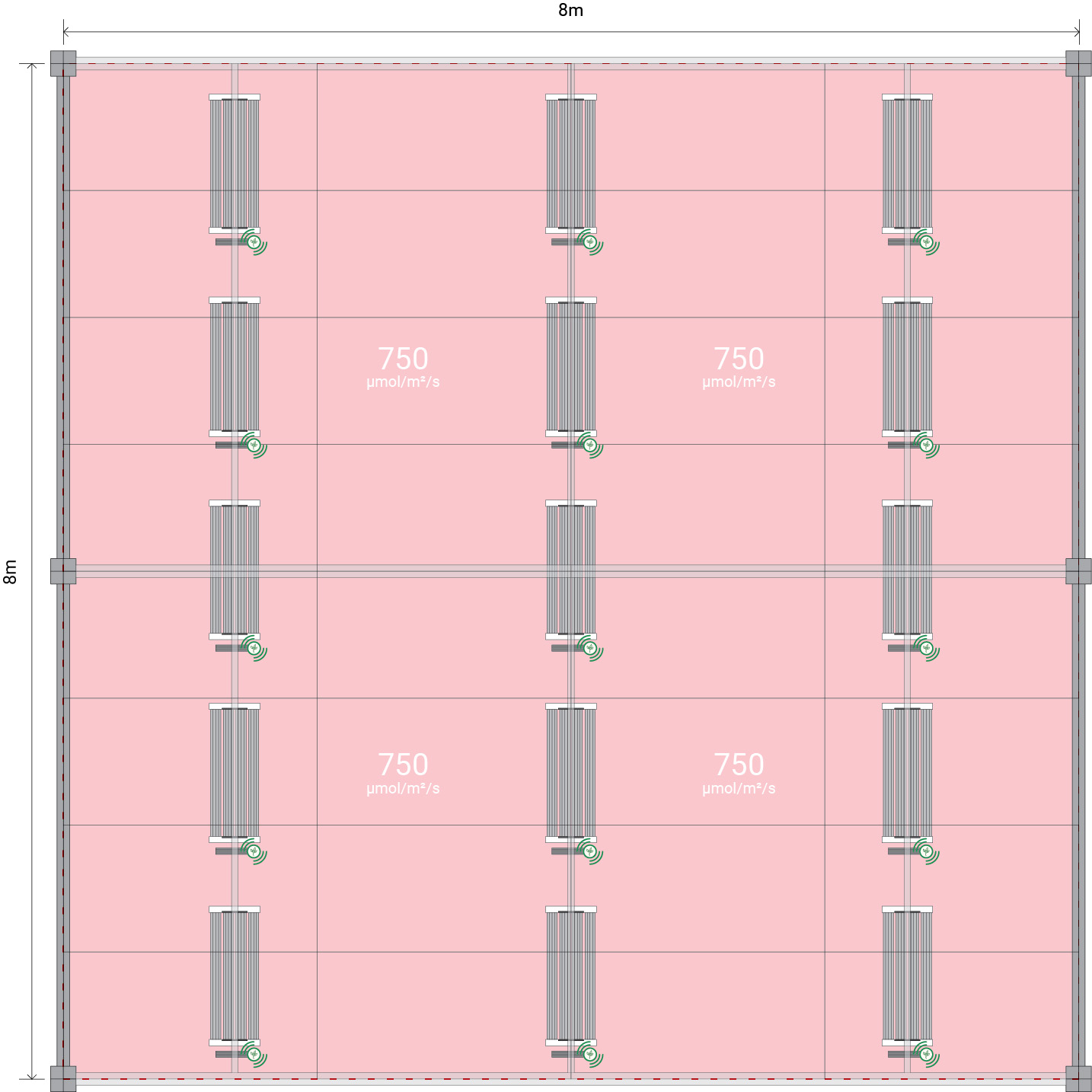
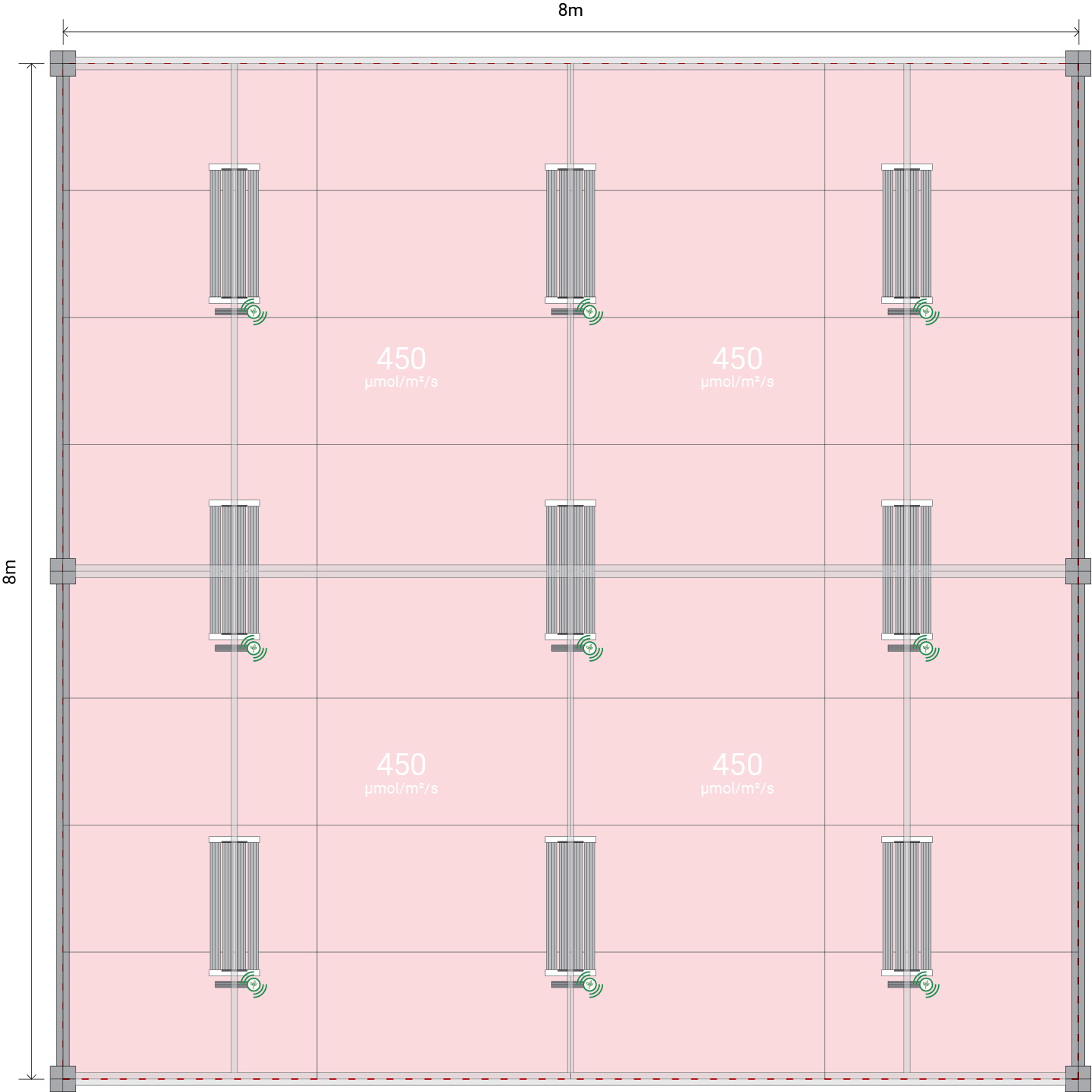
Baseline PPF output (µmol/s)
Up to 2x PPF output (µmol/s) vs 1 kW HPS
What does this mean for my cannabis plants?
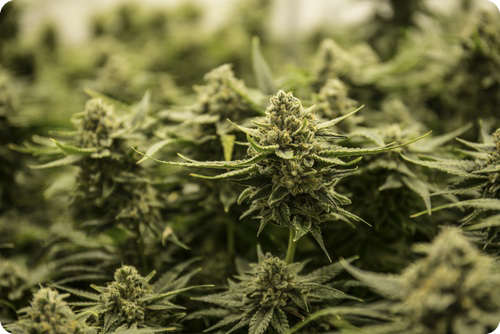
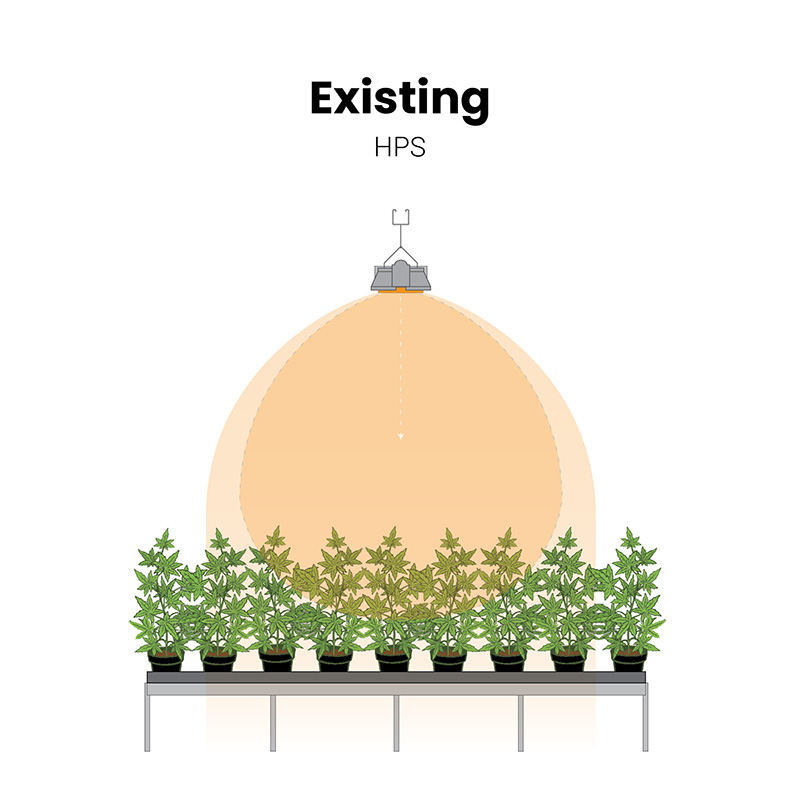
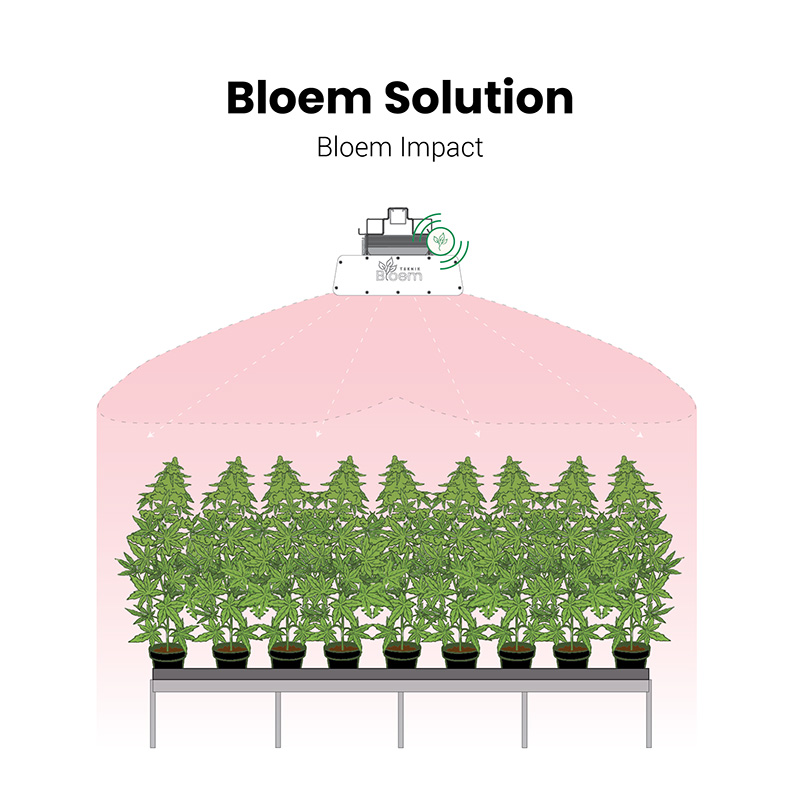
Growers & academics agree that as a rule of thumb, a 1% increment in PPFD results in a 1% increase in cannabis yield¹. Improving the uniformity over the growing areas reduces supplementary PAR light deviation, benefitting plant quality and production consistency.
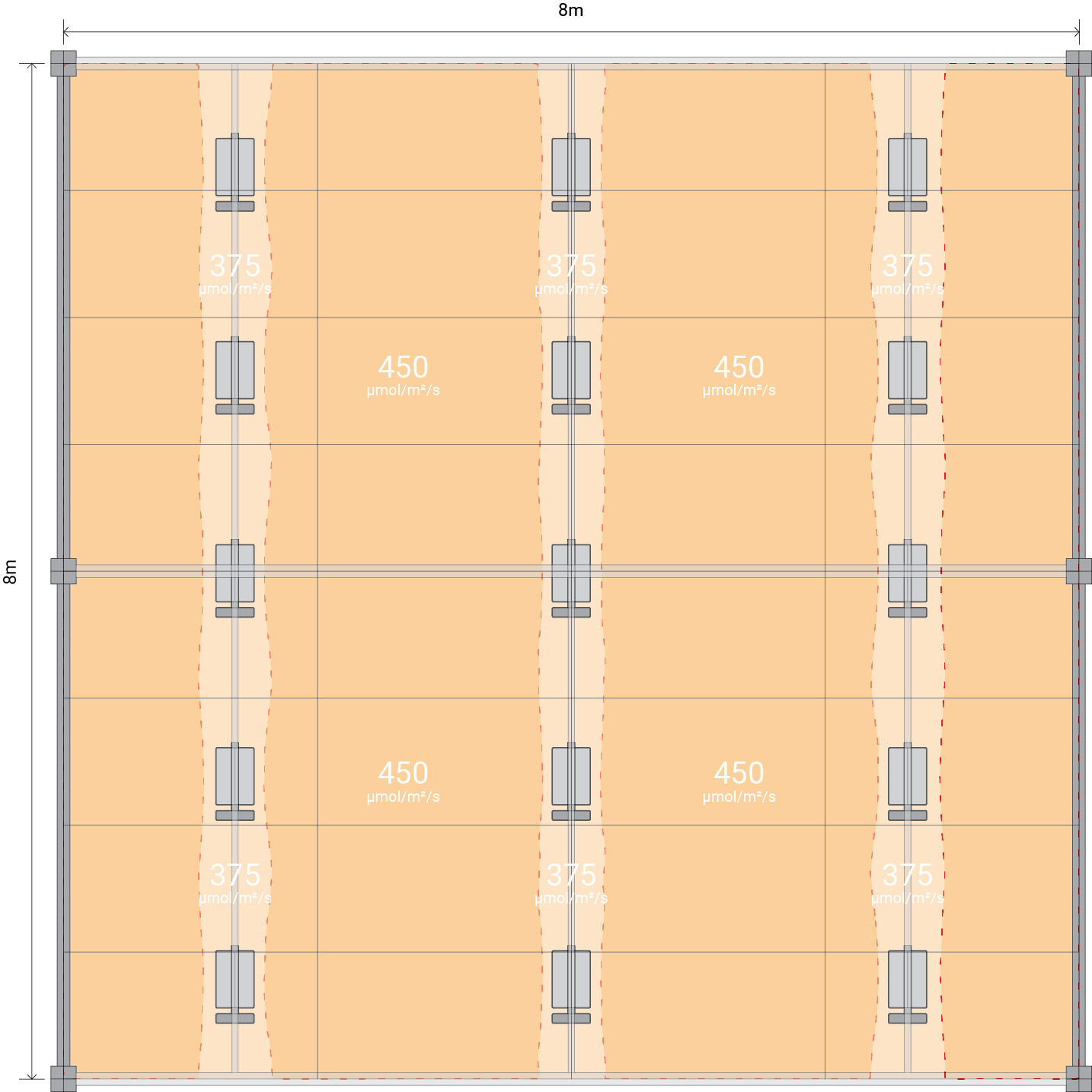
Conventional 1 kW HPS
- 450 µmol/m2/s PPFD Setpoint
- 80% of area is within +/- 10% of 450 µmol/m2/s
- 246 W/m2 Energy Consumption
Bloem 1 kW Impact (Spectrum B7)
- 750 µmol/m2/s PPFD Setpoint (+67%)
- 100% of area is within +/- 10% of 750 µmol/m2/s (+20%)
- 234 W/m2 Energy Consumption (-5%)

Charlie Benson
Co-Founder and CTO
“Intensity uniformity is the consistency of total PAR light distributed over the growing area. This is typically measured at the crop canopy by the volume (%) of the grow area that falls within the specified tolerance of the PPFD setpoint.”
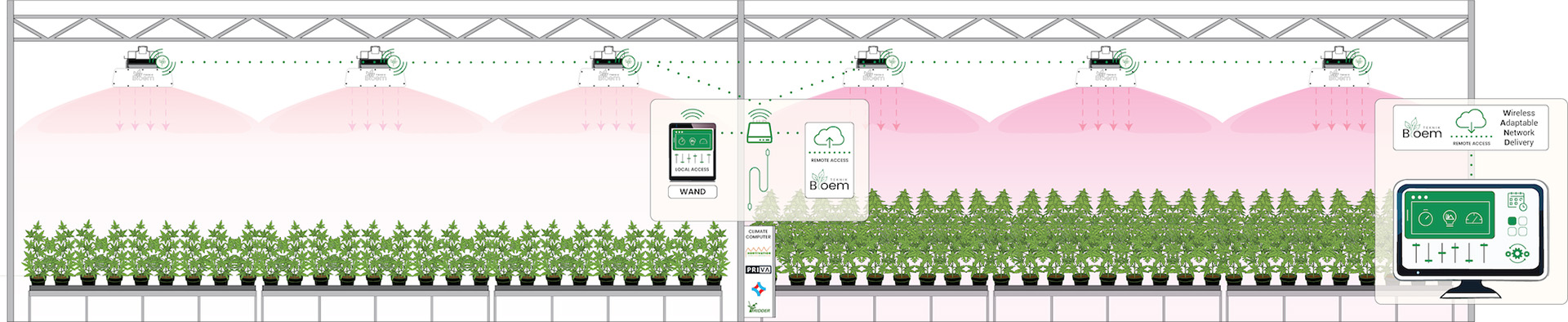
Using Bloem’s Wand Platform
The Bloemteknik Wireless Adaptive Network Delivery (Wand) platform provides advanced dynamic control for single and multi-channel grow lights.

Secure, Reliable & Scalable
Our highly secure mesh solution, with no single point of failure, supports over 30,000+ devices per network

Flexible Lighting
Easily create zones, groups, light recipes, dimming schedules, DLI targets, and lighting scenes using our wireless control system with our LED grow lights

Closed-Loop System
Wand acclimates LED grow light output to prevent negative effects from weather or environmental changes

Plant-Centric Adaptability
Designed to follow plant biology, Wand can adjust LED light output to support multiple dynamic lighting controls

Seamless Integration
Wand can be used as a standalone lighting control system or integrated with climate control systems via the Horticulture Lighting Protocol (HLP)

Preventive Maintenance
Wand continuously monitors power supply temperature, power draw, operating hours, and system responsiveness to detect potential issues before they impact performance. This proactive approach minimises unexpected downtime and maximises the lifespan of the entire lighting system.
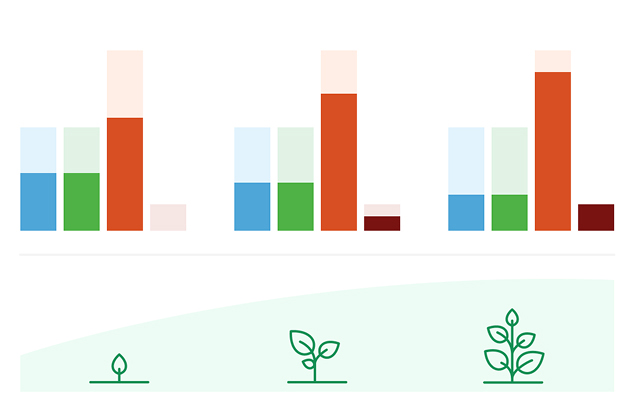
Dynamic Lighting
Whether the grow areas require precise, plant-centric dynamic control or a straightforward daily schedule, Bloem’s Wand platform offers a flexible and tailored solution designed to meet the unique needs of your facility
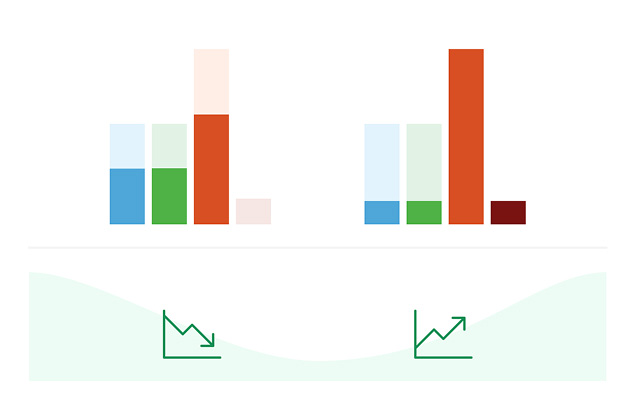
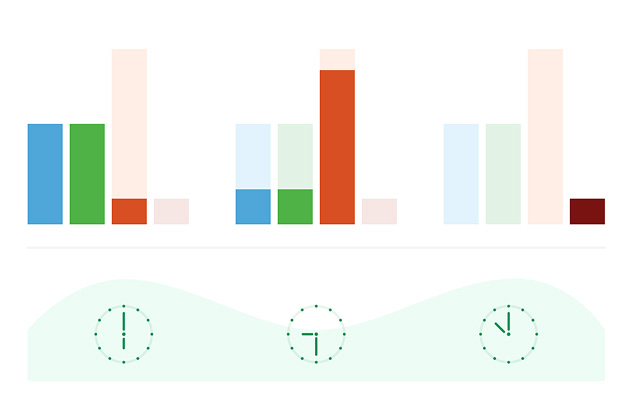
Dynamic light adjustment for optimised plant growth stages
Efficient energy distribution to balance cost and performance
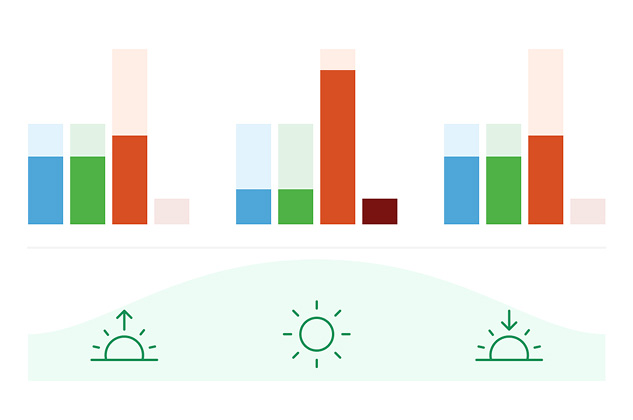
Light modulation aligned with natural plant cycles
Extended illumination periods for enhanced productivity
400 - 500 nm
500 - 600 nm
Penetrates deeper below the primary leaf layers producing yields below the upper canopy
600 - 700 nm
700 - 800 nm
Propagation
Mother
Vegetative
Mother
Flowering
150-300
400-600
400-600
800-1000
150-300
1000-1500
18
18
18
12
18
18
18
12
400-800
400-800
400-800
400-800
800-1400
800-1400
800-1400
800-1400
The quantity of photosynthetic active radiation (400-700nm) required is defined by the Daily Light Integral (DLI). DLI refers to the quantity of PAR the plant is exposed to within a single day (24-hour period). Each plant, including cannabis plants, have a minimum and maximum DLI to facilitate growth and this varies by strain, development phase, CO2 supplementation and other environmental parameters inside the CEA facility. The desired photosynthetic active radiation density (PPFD) can be calculated from the typical DLI target and exposure duration (photoperiod) shown below.
Examples of cannabis DLI & PPFD targets without CO² supplementation
(400-800 ppm CO²):
Propagation phase recommended DLI of 10-20 mol/m²/day and 18-hour photoperiod.
10 mol/m²/day / 18 hours / 60 minutes / 60 seconds = 154 µmol/m²/s minimum PPFD
20 mol/m²/day / 18 hours / 60 minutes / 60 seconds = 308 µmol/m²/s maximum PPFD
Vegetative phase recommended DLI of 25-40 mol/m²/day and 18-hour photoperiod.
25 mol/m²/day / 18 hours / 60 minutes / 60 seconds = 385 µmol/m²/s minimum PPFD
40 mol/m²/day / 18 hours / 60 minutes / 60 seconds = 617 µmol/m²/s maximum PPFD
Flowering phase recommended DLI of 35-45 mol/m²/day and a 12-hour photoperiod.
35 mol/m²/day / 12 hours / 60 minutes / 60 seconds = 810 µmol/m²/s minimum PPFD
45 mol/m²/day / 12 hours / 60 minutes / 60 seconds = 1042 µmol/m²/s maximum PPFD
Examples of cannabis DLI & PPFD targets with CO² supplementation
(800-1400 ppm CO²):
Propagation phase recommended DLI of 10-20 mol/m²/day and 18-hour photoperiod.
10 mol/m²/day / 18 hours / 60 minutes / 60 seconds = 154 µmol/m²/s minimum PPFD
20 mol/m²/day / 18 hours / 60 minutes / 60 seconds = 308 µmol/m²/s maximum PPFD
Vegetative phase recommended DLI of 40-60 mol/m²/day and 18-hour photoperiod.
40 mol/m²/day / 18 hours / 60 minutes / 60 seconds = 617 µmol/m²/s minimum PPFD
60 mol/m²/day / 18 hours / 60 minutes / 60 seconds = 925 µmol/m²/s maximum PPFD
Flowering phase recommended DLI of 45-65 mol/m²/day and 12-hour photoperiod.
45 mol/m²/day / 12 hours / 60 minutes / 60 seconds = 1042 µmol/m²/s minimum PPFD
65 mol/m²/day / 12 hours / 60 minutes / 60 seconds = 1504 µmol/m²/s maximum PPFD
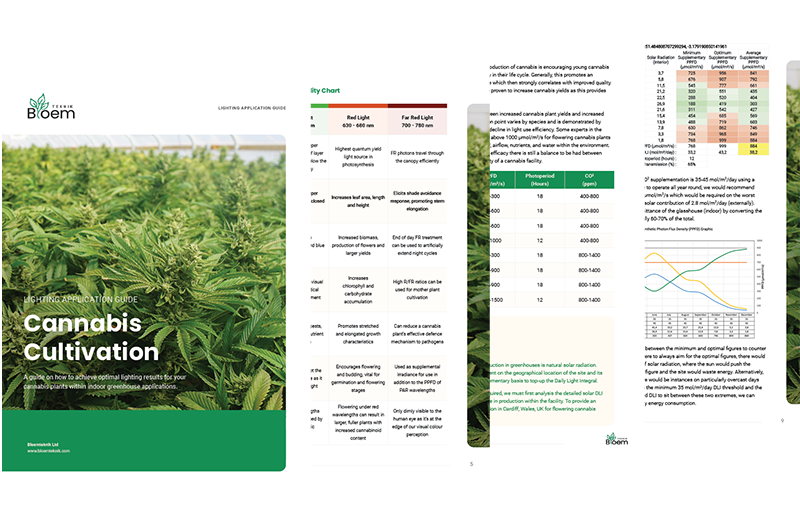
Get the Full Story
To see the complete list of light wavelength effects on cannabis, PPFD & photoperiods for all growth stages and much more please download our greenhouse cannabis cultivation lighting application guide.