Intelligent horticultural lighting systems now incorporate preventive maintenance through data analysis and two-way communication, enabling early detection of potential failures. By anticipating issues before they disrupt operations, these systems help facility managers maintain stability, minimise downtime, and optimise long term efficiency. This article explores the benefits and challenges of implementing preventive maintenance in horticultural lighting.
Benefits
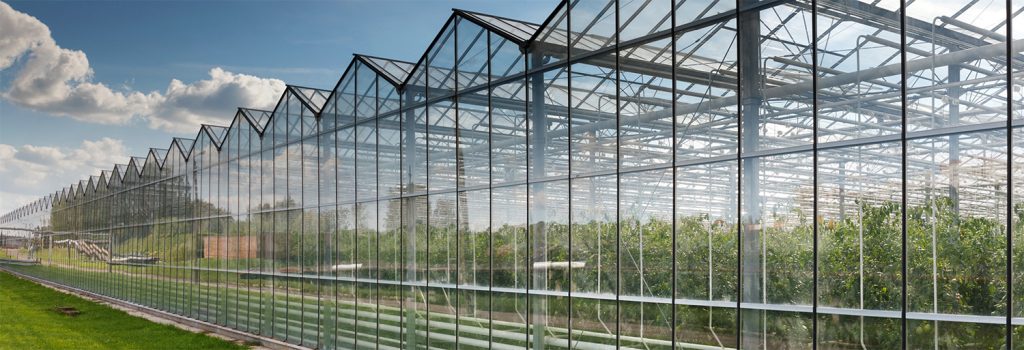
Early detection of abnormal driver temperatures, power surges, and non-responsiveness is crucial for preventing disruptions. For example, if a single power supply operates at a significantly higher temperature than surrounding units, it may indicate a fault. In greenhouse environments, trellis level temperatures can often exceed 40°C ambient in some geographies, yet manufacturers only guarantee rated lifetimes under specific conditions. Continuous monitoring helps operators identify when environmental factors exceed safe thresholds, reducing premature failures.
Tracking burn hours enables timely maintenance and helps forecast component replacements, minimising unexpected failures. Real time power monitoring eliminates inefficiencies, improves accuracy, and ensures effective energy use. This is particularly vital for photoperiod sensitive crops, where even minor interruptions can impact yields. By predicting failures in advance, growers can replace ageing components at the optimal time, preventing costly operational disruptions.
Remote alerts and diagnostics reduce the need for frequent on-site inspections. Analysing system data enables proactive fault detection, decreasing downtime and improving efficiency. Continuous fixture monitoring further mitigates risks associated with early depreciation and overheating, enhancing both reliability and safety.

Lamp Location

Failure Status
Internal Temperature

Channel Output

Lamp On-time

Output Power
Beyond operational benefits, data insights from these systems support regulatory compliance and continuous lighting optimisation. While primarily addressing driver failures, the most common cause of LED breakdowns, manufacturers play a key role in ensuring long term fixture reliability. Providing strong warranty support and designing modular fixtures with easily replaceable, widely available components, such as remote isolated power supplies, improves sustainability and simplifies maintenance. This approach reduces electronic waste, accelerates repairs, and lowers carbon emissions and labour costs.
Challenges
Despite its benefits, implementing preventive maintenance comes with challenges. Upfront investment costs, system integration complexities, and cybersecurity risks must be carefully evaluated to determine feasibility in each cultivation environment.
Two-way communication systems require sensors, controllers, and smart drivers, as well as a stable wireless mesh network. These components increase initial costs, though reduced maintenance expenses and fewer unexpected failures can offset the investment over time.
Integration with existing lighting infrastructure may require local technical expertise, especially when working with different communication protocols. Facilities using multiple systems from different manufacturers may face interoperability challenges, requiring additional configuration. Some lighting brands use proprietary protocols that limit third party compatibility, restricting flexibility and potentially leading to vendor lock-in.
While these systems enhance reliability, they are not infallible. Sensor inaccuracies, software bugs, or defective components may generate false alerts, wasting time and resources. Additionally, smart lighting systems connected to external networks may be vulnerable to hacking or unauthorised access if security measures are inadequate. Implementing strong cybersecurity barriers and considering local only control can help mitigate these risks.
Advanced lighting controls also require growers and facility managers to develop new technical skills. Without proper training, users may struggle to interpret system data, reducing the effectiveness of preventive maintenance. While automated monitoring improves efficiency, it does not replace manual inspections or grower intuition. These systems should be seen as decision support tools rather than substitutes for hands on oversight.
Overview
As controlled environment agriculture evolves, preventive maintenance is making horticultural lighting more reliable, efficient, and sustainable. Real time monitoring of system temperatures, power usage, and responsiveness helps prevent failures, protecting yields while optimising energy use and extending fixture lifespan.
Despite initial costs and integration challenges, these systems reduce downtime, lower maintenance expenses, and improve operational stability. As lighting technology becomes more connected, leveraging data driven insights will be essential for maximising efficiency and profitability in modern cultivation.